19 October 2026 · 5 min read · Teaching & Coaching
Active Listening for Driving Instructors: The Three Levels That Change Your Lessons
Who taught you how to listen? Most people say their teachers or their parents. But think about it. They told us to listen. "Listen up, class." "Listen carefully to this." Nobody actually showed us how.
And yet we all know exactly what it feels like when we're not being listened to. You're talking to your partner, your mum or your teenager, they're clearly miles away, and when you challenge them they repeat back what you said word for word. They heard it. They just weren't listening. Your pupils can feel that difference just as clearly as you can.
In this post we'll look at why active listening matters so much in the car, the three levels of listening we use at Inspire, and some practical ways to sharpen the skill, both on lessons and away from them.
Why Listening Matters So Much on a Lesson
When a pupil feels genuinely heard, two things happen. Misunderstandings drop, because you're both talking about the same thing. And the lesson gets more productive, because you end up working on the right thing at the right time rather than the thing you assumed they needed.
It's also worth being honest about when our own listening slips. When you disagree with someone, your mind is busy building your reply while they're still talking. You're planning your rebuttal, your next question, your challenge. You'd think agreeing would fix that, but it doesn't really. When you're nodding along with someone you think you already understand, it's easy to drift off. "Uh-huh, yeah, I get it." Sound familiar? We've all had pupils do exactly that to us.
So the aim isn't to agree or disagree. It's to stay with the other person until they've finished their whole thought.
The Three Levels of Listening
You'll find articles that describe five or even seven levels of listening, and they're not wrong. At Inspire we like to keep it simple, so we work with three.
Level 1: Internal listening
At this level the focus is on you. As the other person talks, you're interpreting what they say in terms of how it affects you, your opinions and your decisions. It's the listening we do in everyday, transactional conversations: chatting in a shop, ordering a coffee, catching up with a neighbour.
It has its place on a lesson too. When you're juggling diaries to book the next lesson or agreeing a test date, level 1 is perfectly appropriate. But it shouldn't be where you live as an instructor. A driving lesson isn't about your opinions or your feelings. It's about the learner and what they need to develop.
Level 2: Listening to understand
Here you put your own thoughts and feelings to one side and give all your attention to the pupil: what they're saying, what it means to them and what they're trying to achieve.
It's more than just the words. Tone and body language carry a huge amount. "That's great" can mean anything from genuine delight to "this is anything but great". "I'm fine" can be said three different ways and mean three different things. Listening with your eyes as well as your ears is what makes this level work.
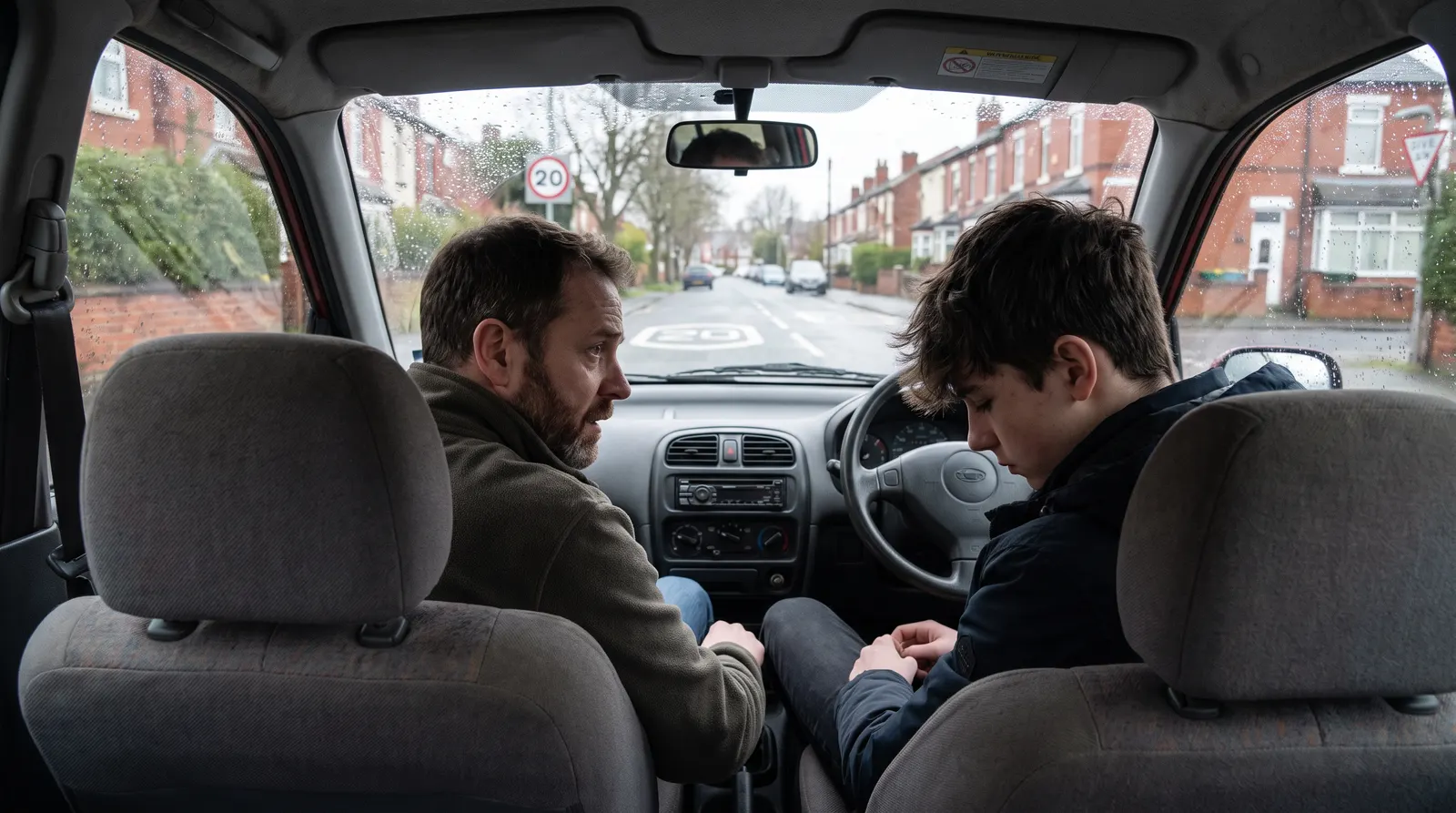
When a pupil says one thing and their body language says another, treat it as a gift. It's an opening to build rapport, get to the real thought or feeling underneath, and work on it together as a team.
Level 3: Intuitive listening
This takes it a step further. It's listening to what isn't being said: the energy in the car, the slightly flat "yeah, I'm fine" when they get in, and your own gut feeling that something's not quite right.
Many of you will have had this. The pupil seems like themselves, but something niggles. You ask if they're okay, they say yes, and the lesson carries on. Then a few small things go wrong, or one big thing does, and it comes out that their dog has died, they've split up with a partner, a family member is poorly or they're stressed about exams. You had that inkling all along.
Trusting that instinct gives you the chance to pause, raise your level of support, or simply offer a listening ear. That's when the two of you really start to work as a team, and you can respond to what the pupil actually needs on the day.
How to Practise Active Listening
Knowing the levels is one thing. Getting better at them takes practice. Here are the techniques we come back to again and again.
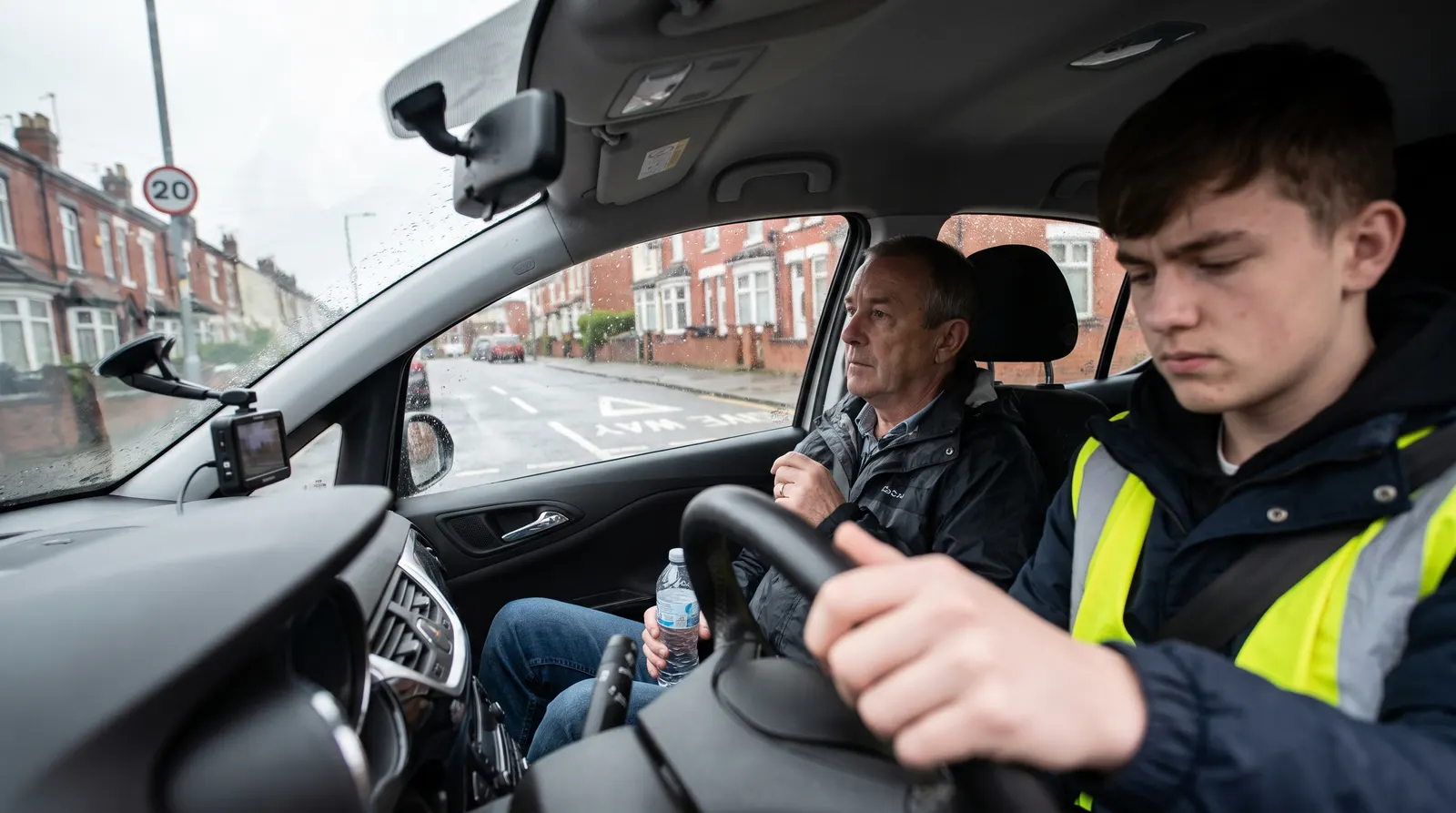
- Step out of the conversation. The easiest way to practise listening is when you're not part of the conversation. Sit in the back of other instructors' lessons whenever you can, or watch the sit-in lesson videos in the Inspire members area. You're not planning your next question, so you can hear everything objectively. Notice what resonates with you and what has you reaching for a rebuttal.
- Look for what you agree with. When something comes up that you don't agree with, deliberately look for a point you do agree with. It keeps you tuned in and gives you a base to build on when it's your turn to speak.
- Embrace the silence. Most of us, instructors included, aren't good at holding a pause. But that extra second gives you time to organise your thoughts and gives the pupil space to add detail. Very often that extra detail is the golden nugget you needed. A simple trick: when the pupil finishes talking, take a sip of water before you reply.
- Paraphrase and check. Use the pupil's own words, but say it back in a way that makes sense to you. It's surprisingly common for two people to think they're discussing the same situation when they're not. A quick check puts you both on the same page.
Build the Self-Awareness First
All of this depends on knowing when you are and aren't actively listening, and you don't have to wait for your next lesson to work on it. Practise with friends and family. Join our Facebook Lives and notice how what we say lands with you. Try suspending your judgement so you simply hear what's being said.
Then reflect. What did you agree with? What did you disagree with? What was the whole point of the conversation? Were you able to hold the silence and take a breath before you jumped in? That kind of reflection is exactly what helps you encourage pupils to take responsibility for their own learning, which is at the heart of a client-centred lesson on Part 3 and Standards Check.
Wrapping Up
Active listening isn't something we're taught, but it is something we can learn. Move away from level 1 when you're coaching, live at level 2, and start trusting your level 3 instincts. Hold the silence, check your understanding, and practise whenever you can. Your pupils will feel the difference.
Want to see these skills in action? Join the Inspire membership for our sit-in lesson videos, live Zooms and a community of instructors working on exactly this.