12 October 2026 · 5 min read · Part 3 & Standards Check
Lesson Planning That Actually Works: Why the Best Plan Is the One You Keep Changing
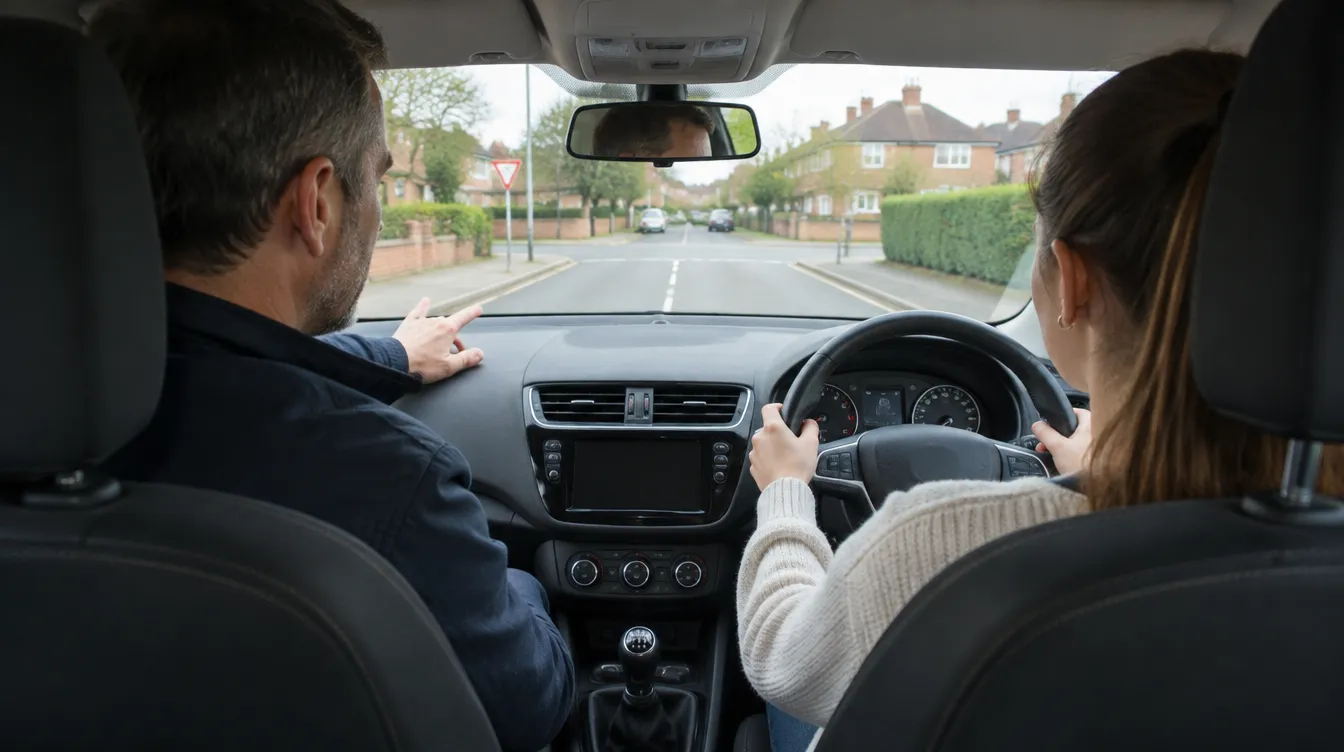
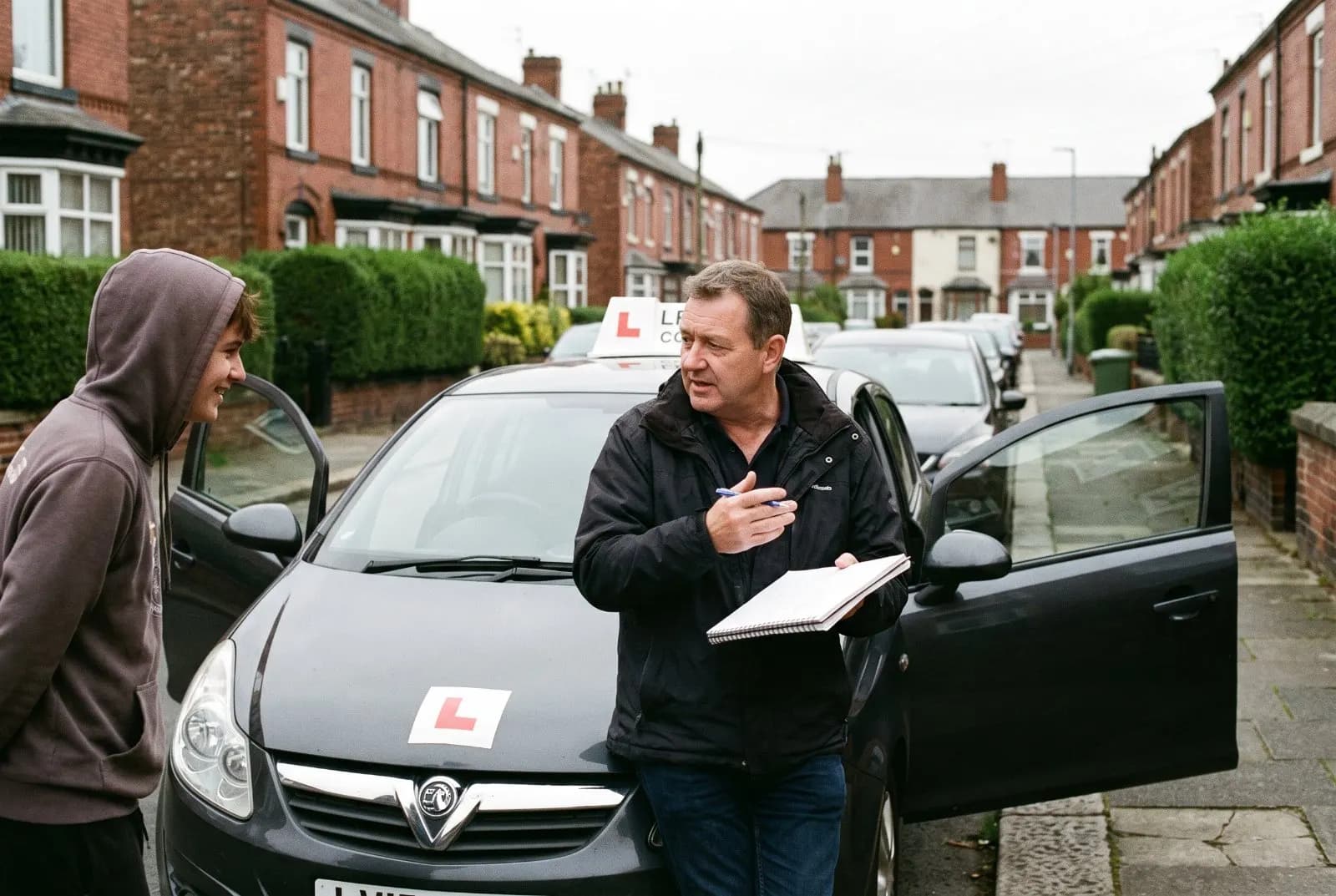
Ask most instructors what lesson planning means and you'll hear something close to a schoolteacher's version: a written plan, broken down section by section, worked out before the pupil even gets in the car.
We think the DVSA may have done us all a small disservice by calling it "planning". It tempts people, especially PDIs heading into Part 3, to arrive with an elaborate plan and then stick to it, even when the pupil is clearly showing them something different two minutes in.
In this post we'll look at what lesson planning really is, how to set goals your pupil actually buys into, how to find the sweet spot where learning happens, and why the small mistakes you leave hanging are the ones that cost you.
What Lesson Planning Is (and Isn't)
Strip it right back and the lesson planning competencies are asking one question: was this the right lesson for this pupil, at that moment, on that day?
That's it. Not "did you follow your plan", but did the lesson suit the pupil's ability and their learning needs. Sometimes that means steering away from what the pupil wants to do. Very few learners ask to do motorways, but plenty ask for roundabouts when they haven't quite got left and right turns sorted yet. Part of your job is managing that conversation so the plan you agree together is safe and appropriate.
So yes, have a starting point. Know roughly where the lesson is heading. But hold it loosely. A good plan is something you keep updating all the way through, so that you always know what you're doing next.
It's also why this group of competencies matters so much. If the lesson isn't right for the pupil, it doesn't matter how good your questions are or how well you teach. The points start tumbling down the rest of the sheet.
Setting Goals Your Pupil Owns
First, a quick distinction. Needs are what the pupil is struggling with or showing you they can't do yet. Goals are what you want to achieve, and very often the goal is simply to get rid of the need.
We like using the GROW model (Goal, Reality, Options, Way forward) as a framework for that conversation. A few things make it work well:
- Don't open with "what would you like to do today?" It's a huge question for someone who's just got in the car, and it often gets an "I don't know". Lead into it instead: what went well last time, what felt tricky, what's in their reflective log. By the time you get to the goal, you're usually saying something like "would it make sense to look at this, based on what we've just talked about?"
- Get specific. "Better at roundabouts" isn't a goal. Dig into what it is about roundabouts. One pupil who wanted to "work on mirrors" turned out to mean just the left mirror.
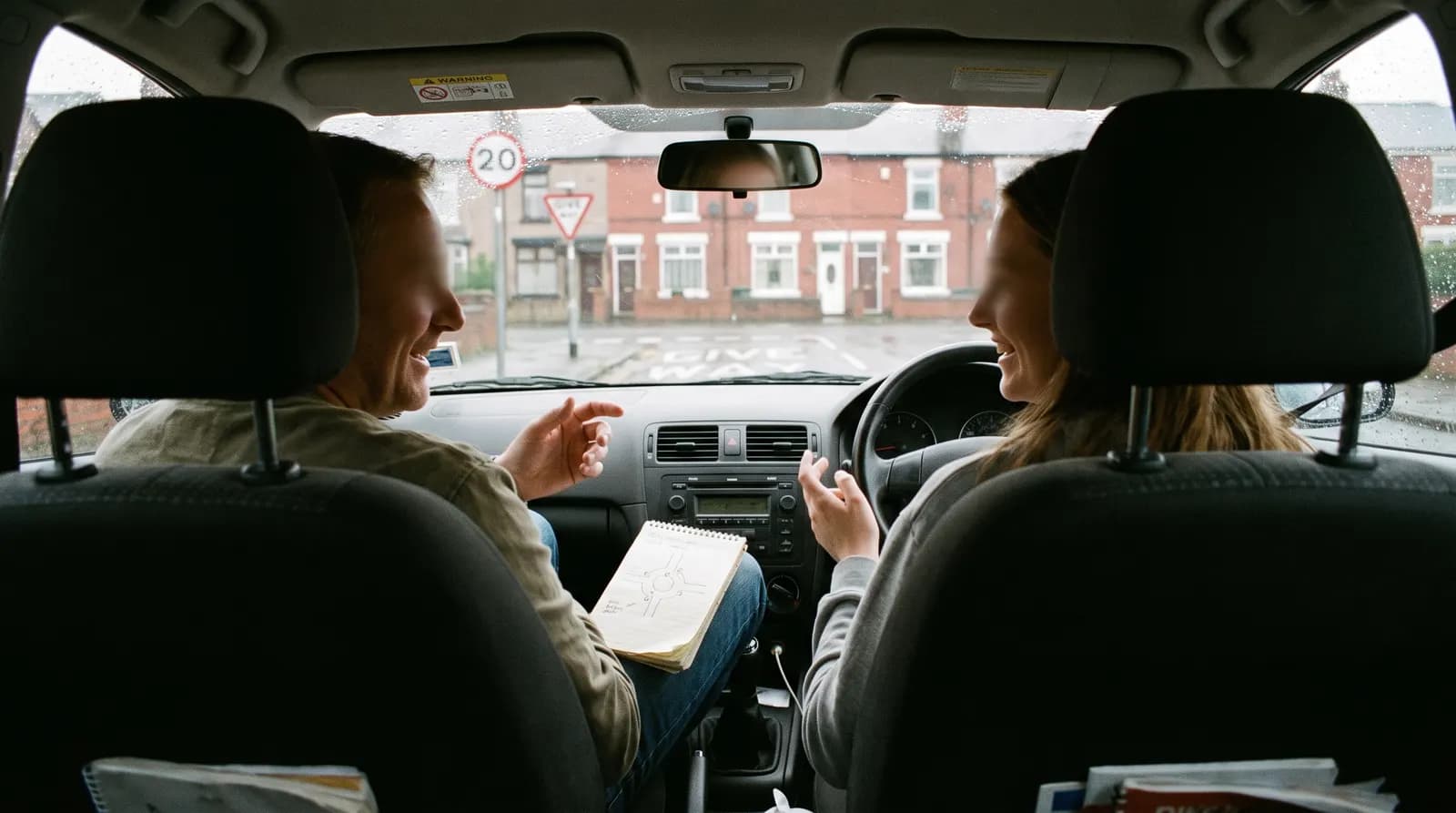
- Offer options, not a single answer. It's easy to reach for the fix that worked for your last pupil. Instead, build a little menu: a diagram, a video, watching the roundabout from the side of the road, a demo, a game, or just having a go. Let the pupil suggest some first, then add yours.
- Make it measurable. "Four roundabouts in a row without your help by the end of the lesson" is something you can both check. "Be better" isn't.
Then agree roles and responsibilities so the level of support matches the goal.
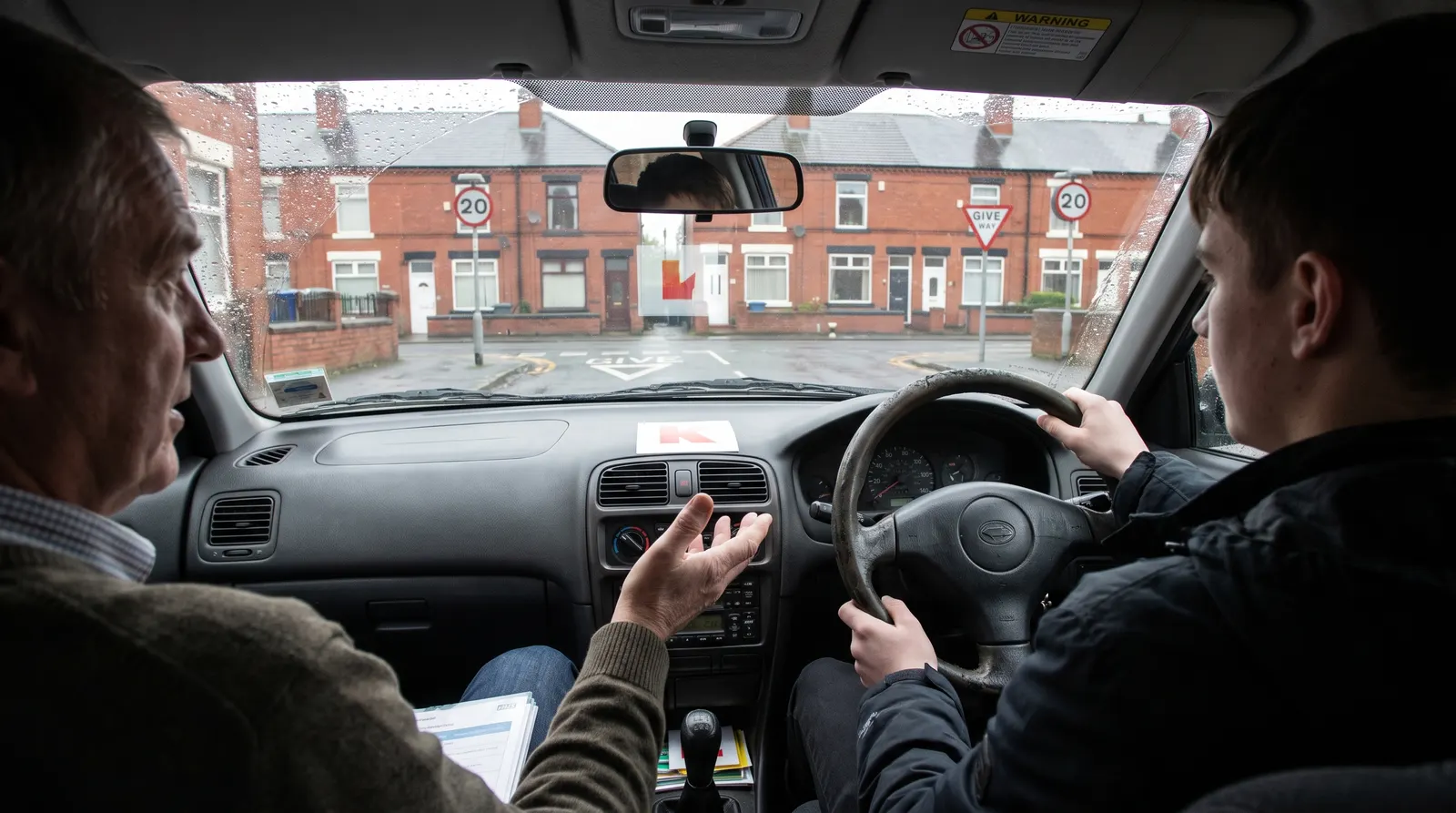
Finding the Sweet Spot
Diana's swimming analogy sums up the lesson structure competency perfectly. Throw a child into the deep end and there's no learning, just survival. Let them stand on tiptoes in the shallow end and there's no learning either, because they don't need to swim. The learning happens in the middle, where the water is gradually getting deeper and you can offer armbands or a steadying hand as needed.
The ADI 1 phrases it as stretching the pupil without overwhelming them. A couple of honest checks help here:
- If you feel frazzled, talking non-stop and firefighting one problem after another, the lesson is probably too hard for the pupil as well.
- If you feel bored, saying "next left" while nothing at all is happening, it may be too easy.
Be careful with that second one, though. Easy-looking driving can still be hard work for the pupil. Phil had a pupil who had just nailed a loop of roundabouts, so he suggested moving on to busier ones. She said she wasn't ready. Rather than push, they agreed one more lap where he deliberately said nothing. She nailed it, recognised it herself, and was happy to move on. Always check in before you change the level.
Diana suggests offering three choices at that point: do it again with the same support and difficulty, do it again with more challenge or less support, or try something different.
Pick an Area That Serves the Lesson
Your route is one of the easiest ways to tune the challenge. When planning an area, look for:
- Plenty of opportunities to practise the thing you're working on, with as few distractions as possible
- Safe places to pull over for a proper chat
- An option to make it harder, and an option to make it easier, close by
Loops are brilliant here. You're not a taxi driver, so you don't need to cover ground. Repeating the same few junctions lets the pupil stop worrying about where they're going and focus on the skill.
And ask yourself on every turn: does going down this road help the lesson? One PDI took a difficult meeting-traffic road just to reach a single roundabout, the pupil got into a mess, and that became the story of the test.
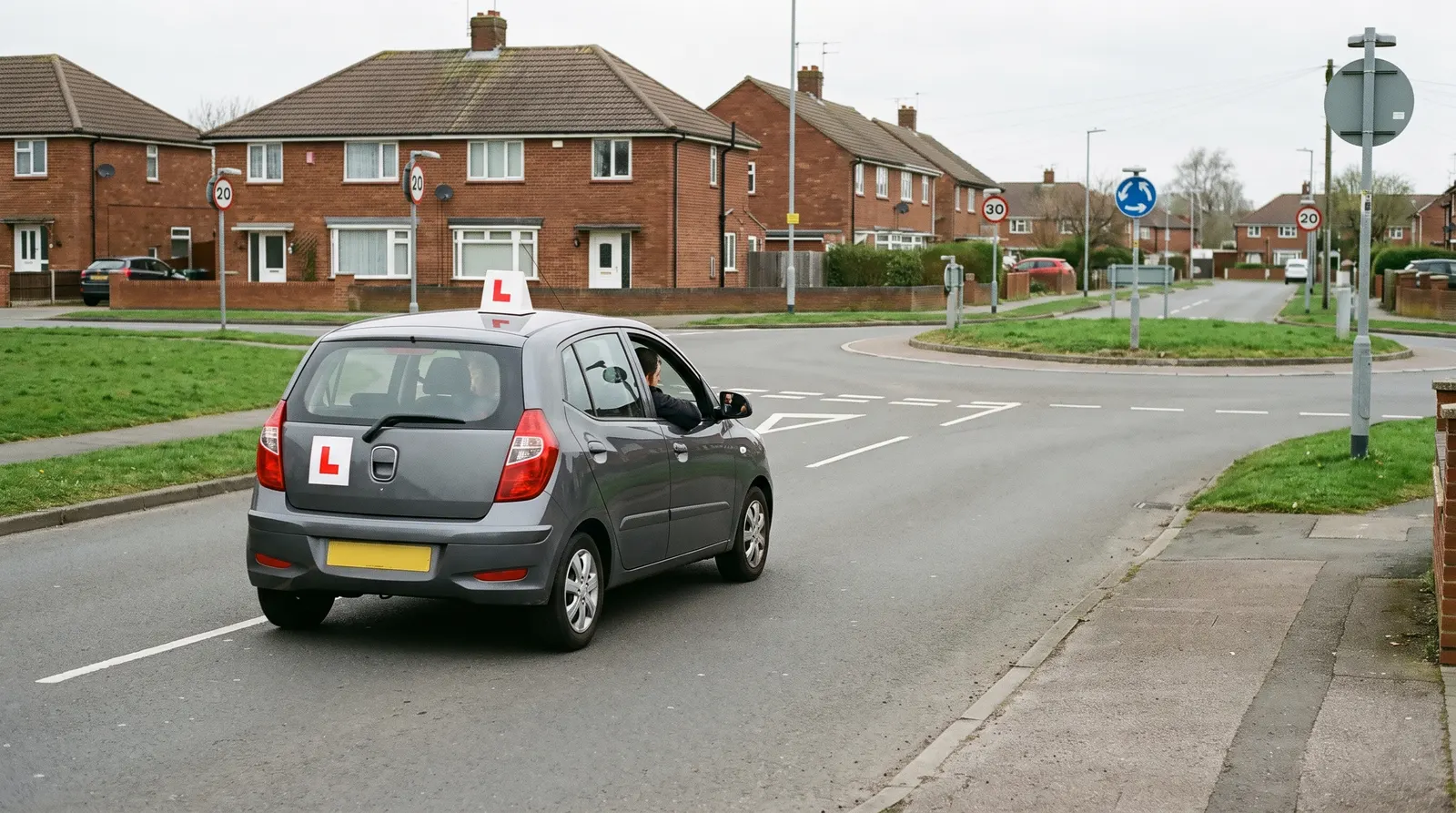
Nip It in the Bud
The most common way we see lesson planning slip is a need that gets noticed and then left. A pupil stalls on a hill start right at the beginning of a Part 3. A quick "bit more gas" and on they go. Twenty-five minutes later, another hill, same stall. The examiner's feedback writes itself.
A useful rule: the first time a pupil makes a mistake, that's on them. If it happens again, that's on you. Not because they have to get it right straight away, but because by then you should at least have started dealing with it.
Most of the time that's a small tweak, not a new lesson. A couple of questions, a quick chat at the next safe place, then back to the main goal. Save the full change of plan for genuinely big moments or a need that keeps coming back despite your support.
Bringing It Together
Lesson planning isn't a document you write before the pupil arrives. It's a running answer to "is this still the right lesson?" Get that right and the rest of the marking sheet has a solid foundation to stand on.
If you'd like to work on lesson planning and the rest of the Part 3 and Standards Check competencies with us, join the Inspire membership for coaching, live sessions and a community of instructors doing exactly the same.