31 August 2026 · 7 min read · Business Development
GDPR for Driving Instructors: A Plain-English Guide to Handling Pupil Data
Ask a room of driving instructors about GDPR and you will get a lot of nervous laughter. It sounds like something built for banks and big tech, not for a sole trader with a diary, a dash cam and forty pupils. But the moment you write down a learner’s name, phone number and address, you are handling personal data — and the rules apply to you exactly as they apply to everyone else.
The good news is that compliance is far more manageable than the acronym suggests. Most of what you need to do, you are probably doing already. The rest comes down to being clear with your pupils, being sensible with your storage, and being careful with your marketing.
The Information Commissioner’s Office (the ICO) is the UK regulator, and it publishes a genuinely useful library of guidance for sole traders and limited companies. Registration costs somewhere in the region of £40–£60 a year depending on your circumstances, which buys you both the legal registration and access to their resources. For a small annual fee, it takes a great deal of guesswork out of the process.
1. Keep pupil data secure — whatever form it takes
Your first obligation is the simplest to state and the easiest to get wrong: the data you hold on your pupils must be kept secure at all times.
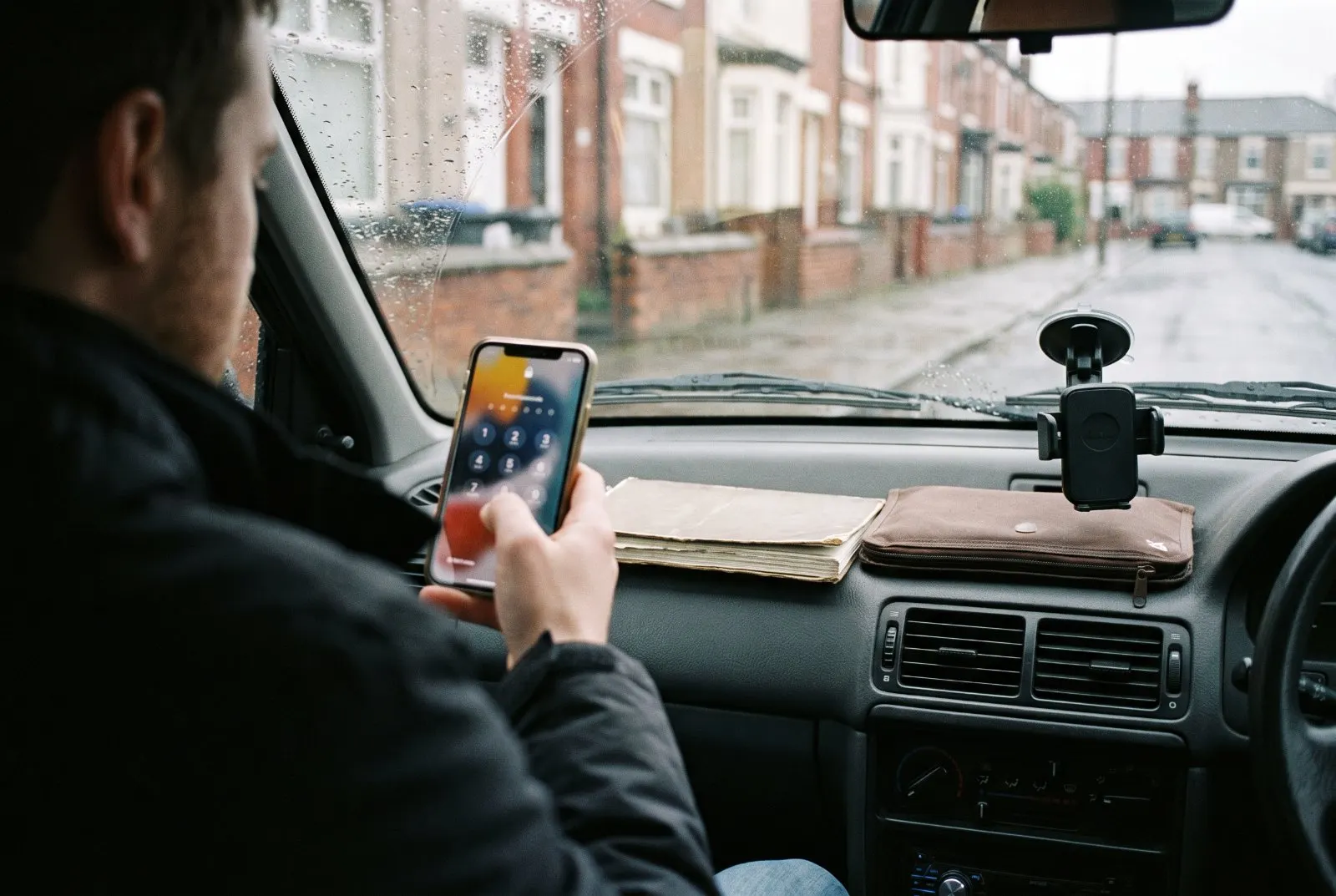
If you use a diary app — Total Drive, My Drive Time, Go Roadie or any of the others — you are in a strong position already. That data sits behind a passcode or a PIN on a device that locks itself. Encryption and access control are handled for you, and from a compliance point of view that is a solid foundation.
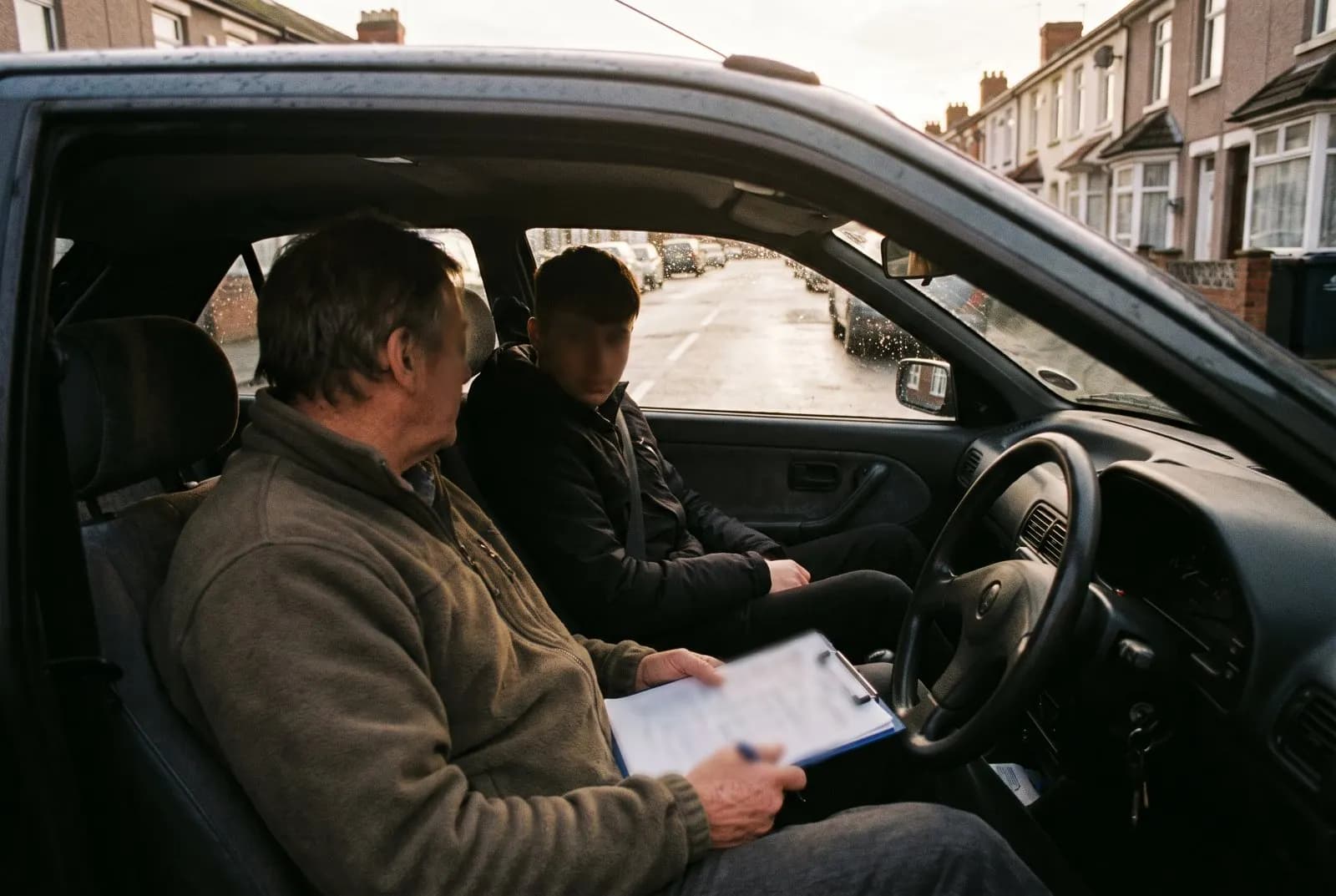
If you are a pen-and-paper instructor, the obligation does not change; only the method does. A paper diary locked in the car is secure. A paper diary taken into the house needs to be locked away from other members of the household too — not left on the kitchen worktop where anyone can flick through it.
The ICO uses the word “must” in the same way the DVSA does in your standards documents. Where the guidance says you must do something, you are legally obliged to do it. Where it says should, it is best practice. Learn to spot the difference as you read.

2. Tell pupils what you hold, why, and for how long
Security is only half of it. Your pupils also have a right to understand what is happening to their information. In practice that means being able to explain three things clearly:
- 1What you collect. Name, address, phone number, licence details, lesson notes, progress records, payment history.
- 2Why you need it. To deliver lessons, to keep progress records, to invoice, and to meet your own legal obligations.
- 3How long you will keep it. And crucially, on what basis you keep it once the lessons stop.
Pupils also have rights over that data. They can ask to see what you hold. They can ask you to correct something that is wrong. They can ask you to delete it. Those are not favours you grant — they are entitlements, and you need a straightforward way of responding to them.
That said, you are not obliged to wipe everything the moment a pupil passes. As an independent business you may keep data beyond your contractual obligation where you have a legitimate reason — your tax return being the obvious one. HMRC expects you to be able to evidence your income, and that requires records. The key is that you can articulate why you still hold something, rather than keeping everything indefinitely by default.
“If you can’t explain in one sentence why you still hold a pupil’s data, that’s a sign it’s time to delete it.”
3. The spam trap — the one that catches instructors out
One of the driving forces behind GDPR was stopping businesses from bombarding people with messages they never asked for. This is where driving instructors most often stray without realising it.
Picture the scenario. It is a quiet fortnight, you have three gaps in the diary, and you have a list of every pupil you have taught in the last four years sitting in your phone. It is very tempting to send a message out to all of them offering availability.
For pupils who have finished with you, that contract has ended. They have not asked you for further lessons, and they have not consented to receive marketing from you. Sending that message is a breach of the very regulations you are trying to comply with — however friendly and well-intentioned it is.
Before you send anything to a group, ask yourself one question: “Would this pupil be expecting this type of message from me?” A current pupil expecting a slot reminder — absolutely. A pupil who passed eighteen months ago receiving a promotional offer — almost certainly not.
If you do want to market to past pupils, do it properly. Ask them at the end of their course whether they are happy to stay on your mailing list, record that they said yes, and give them an easy way to opt out later. Consent that is freely given and recorded is worth far more than a contact list you happen to still have.
4. Dash cams, audio recording and consent
Recording equipment is now standard in a lot of tuition vehicles, and it raises questions worth thinking through properly.
If you have a dash cam, and particularly if it faces into the cabin or captures audio, your pupil needs to know about it. Audio is easy to overlook — a camera pointed at the road that also records conversation inside the car is still capturing personal data about your pupil.
Make it known
Cover recording in your terms and conditions so it is agreed at the point of booking, not sprung on someone mid-lesson.
Make it visible
A small sticker in the car — “CCTV in operation” or similar — keeps everything transparent and removes any doubt.
Get consent to reuse
Any use beyond safety — sending footage to a trainer, posting to social media, building training videos — needs a separate signed consent.
That consent form does not need to be a dense legal document. A single side of A4 saying what the footage is, where it will be used, and that the pupil agrees to it, is enough. What matters is that it exists, that it is specific, and that you keep it.

5. Write a privacy policy — and keep it human
The final piece ties everything together. Pupils need to be able to read, in one place, how you handle their information. That is your privacy policy, and it can sit as part of your terms and conditions or as a short separate statement underneath them.
It does not need to be complicated. In fact, an overly complicated one defeats the purpose — nobody reads it, so nobody is genuinely informed. Aim for something a seventeen-year-old and their parent can read in two minutes and actually understand.
- ✓What data you collect and why you collect it
- ✓Where and how it is stored, and who else can see it
- ✓How long you keep it and the reason for that period
- ✓How a pupil can access, correct or delete their data
- ✓Whether recording equipment is used in the vehicle
- ✓How to contact you with a question or a complaint
The ICO website has clear templates and guidance on what a privacy statement should contain. Start there rather than copying a policy from another instructor’s website — theirs describes their business, not yours.
Where to start this week
If GDPR has been sitting on your to-do list, you do not need to fix everything at once. Take it in order:
- 1Check whether you are registered with the ICO. If not, register — it is a small annual fee and it comes with the guidance you need.
- 2Look honestly at how your pupil records are stored. Is anything sitting unlocked, in the house or in the car?
- 3Review the last three group messages you sent. Would every recipient have expected them?
- 4If you record in the vehicle, add it to your terms and put a sticker in the car.
- 5Write or refresh your privacy policy using the ICO’s guidance as your structure.
None of this is glamorous work. But it protects your pupils, it protects your business, and it quietly signals something important about the kind of professional you are. Handling someone’s personal information carefully is part of the same standard as arriving on time and teaching to a plan — it is simply what a good business does.
Build a business that runs as well as your lessons do
Inspire Instructor Training gives ADIs and PDIs practical, jargon-free support on the teaching and the business side — from lesson structure to the paperwork nobody enjoys.
Explore Inspire Instructor TrainingThis article is general guidance for UK driving instructors and is not legal advice. For definitive requirements, refer to the Information Commissioner’s Office at ico.org.uk. © 2026 Inspire Instructor Training.